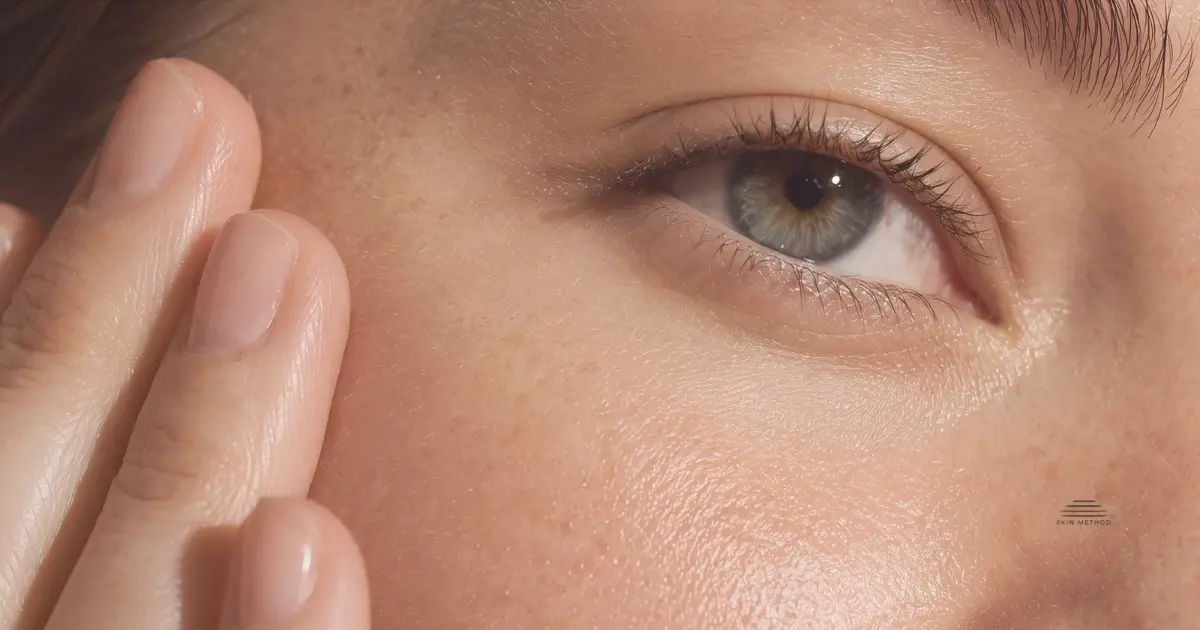
When we think of healthy skin, we often picture a smooth, clear, evenly toned complexion. There are no visible pores, blemishes, dry patches, or fine lines. The skin appears consistently bright and flawless.
But real skin rarely looks like that.
Skin has texture, pores, pigmentation differences, and natural variations in appearance. It changes with age, environment, hormones, and everyday experiences.
These characteristics do not automatically indicate poor skin health.
Healthy skin is better understood through how it functions, how it feels, and how it responds to everyday challenges than through appearance alone.
Understanding this distinction can change how we evaluate our skin and what we expect from skincare products.
Healthy Skin Begins with Function
Skin is a living organ with several important responsibilities.
It provides a protective boundary between the body and the external environment, helps regulate water loss, participates in temperature regulation, supports immune defense, and allows us to sense touch, pressure, heat, and pain.
These functions depend on several interconnected structures and biological processes.
The outermost layers help limit excessive water loss and protect against external irritants. Sweat glands and blood vessels contribute to temperature regulation. Sensory receptors allow us to respond to our surroundings.
Healthy skin supports these functions effectively.
This does not mean every aspect of skin function remains constant. Skin naturally responds to changes in temperature, humidity, physical activity, and other conditions.
It also does not mean that every visible irregularity represents a functional problem.
A person may have visible pores, freckles, or uneven pigmentation while maintaining normal skin function.
Conversely, skin that appears smooth and clear may still experience irritation, impaired barrier function, or an underlying condition.
Appearance can provide clues about skin health, but it cannot tell the whole story.
Comfort Is an Important Part of Skin Health
How skin feels is often as important as how it looks.
Skin that is functioning comfortably generally does not produce persistent sensations of burning, itching, stinging, or tightness.
These sensations can sometimes indicate irritation, dryness, inflammation, or other problems requiring attention.
For example, skin may appear relatively normal while feeling uncomfortably tight after cleansing. A product may produce an immediate smooth appearance while causing repeated stinging or irritation.
These experiences matter, even when there are few visible changes.
However, comfort is not a perfect measure of skin health.
Some skin conditions cause little discomfort, while temporary dryness or sensitivity can occur without indicating a serious problem.
The useful approach is to consider comfort alongside visible changes, duration, and the circumstances in which symptoms occur.
Persistent discomfort deserves attention rather than being dismissed because the skin looks acceptable.
Healthy Skin Has Texture, Pores, and Natural Variation
Human skin is not a perfectly smooth surface.
It contains hair follicles, pores, fine lines, creases, and variations in thickness and texture.
Sebaceous glands produce sebum, which contributes to the skin’s surface environment. Their activity differs across individuals and body areas.
Pores may be more noticeable in areas with greater sebaceous activity, particularly around the nose and forehead.
Skin pigmentation also varies naturally.
Freckles, differences in tone, and variations between areas of the face and body can be normal characteristics. Skin appearance is influenced by genetics, age, sun exposure, and other factors.
Fine lines and changes in texture are also part of the skin’s natural history.
Even occasional blemishes do not automatically mean that someone’s skin is generally unhealthy.
The important distinction is between normal variation and changes that may reflect irritation, disease, or another concern.
Why Skin Is Not Meant to Be Perfect explores how expectations of flawless skin can make ordinary characteristics seem like problems that need correction.
Recognizing normal variation does not mean ignoring genuine skin concerns. It means understanding that healthy skin does not have one universal appearance.
Resilience and Recovery are Part of Skin Health
Skin encounters small challenges every day.
Cleansing removes material from its surface. Clothing and everyday movement create friction. Environmental conditions influence hydration, and minor injuries trigger repair processes.
Healthy skin has mechanisms that help it respond to these challenges and recover.
For example, the outer skin layers continually renew themselves. Small disruptions can be repaired through coordinated biological processes, while the skin adjusts aspects of its protective function in response to changing conditions.
The ability to recover is an important part of skin health.
However, resilience does not mean that skin can tolerate unlimited exposure. Repeated irritation, excessive friction, harsh cleansing, or inappropriate use of active ingredients may overwhelm protective and repair mechanisms.
A product that repeatedly causes burning or irritation should not be considered beneficial simply because the skin may eventually feel less reactive.
Skin responses also vary between individuals. Some people experience irritation more readily because of underlying skin conditions, environmental exposures, or individual differences in sensitivity. Why Sensitive Skin Often Gets Overstimulated examines how repeated exposures and complex routines can contribute to discomfort.
Resilience is therefore best understood as the skin’s capacity to respond and recover within its biological limits.
Healthy Skin Does Not Look the Same on Everyone
There is no single visual standard that represents healthy skin across all people.
Skin differs in pigmentation, thickness, oil production, hydration needs, sensitivity, and visible texture. These differences are influenced by genetics, age, hormones, environment, and other factors.
For example, someone with naturally oilier skin may have more noticeable shine and pores. Someone with drier skin may have less reflective surface and require more support to maintain comfort. Neither appearance automatically indicates better or worse skin health.
Skin also changes throughout life.
Children, adolescents, adults, and older individuals have different physiological characteristics. Sebum production, epidermal renewal, elasticity, and other features can change with age. These changes may influence appearance and skincare needs without making every age-related difference a problem requiring correction.
Skin pigmentation introduces additional considerations.
Redness and inflammation may be more visually obvious on lighter skin, while certain inflammatory changes may appear brown, purple, gray, or otherwise different on darker skin tones. This is another reason appearance alone cannot provide a complete picture of skin health.
A meaningful assessment considers the individual rather than comparing everyone with one idealized complexion.
Healthy Skin Can Change from Day to Day
Skin does not remain in exactly the same condition every day.
You may notice that your skin feels drier during winter, becomes oilier in humid conditions, or responds differently to products at different times. Hormonal changes, environmental exposures, sleep, physical activity, and other factors can influence how skin looks and feels.
Some fluctuations are temporary. Others reflect longer-term physiological changes.
This variability is part of being a living organ.
A routine that feels comfortable in one season may need adjustment in another. A product that once addressed a temporary concern may become unnecessary when conditions change.
However, not every change is a healthy adaptation.
Persistent irritation, recurring inflammation, or worsening symptoms may indicate that the skin is struggling with an exposure or an underlying condition.
Skin is Adaptive, and That Matters explores how skin responds to changing conditions, why some responses are protective, and where the limits of adaptation become important.
For now, the key point is that a changing appearance does not automatically mean skin health is deteriorating.
The nature, persistence, and consequences of the change matter.
When Skin Changes Deserve Attention
Accepting normal skin variation should not lead us to overlook meaningful warning signs.
Certain changes may warrant closer attention, particularly when they are persistent, unexplained, worsening, or associated with discomfort.
Examples include:
- persistent itching, burning, or irritation
- new or recurring rashes
- cracking, bleeding, or wounds that do not heal normally
- sudden or significant changes in skin appearance
- a new or changing mole or other suspicious lesion
- repeated reactions to products that were previously well tolerated
These signs do not establish a diagnosis, but they can indicate that professional evaluation is appropriate.
A skincare routine cannot address every cause of skin discomfort or visible change. Some concerns involve medical conditions that require assessment and treatment beyond cosmetic skincare.
Understanding healthy skin therefore includes knowing when ordinary variation is likely and when a change deserves further investigation.
What This Means for Your Skincare Routine
When healthy skin is defined primarily by appearance, skincare can become an ongoing attempt to eliminate every visible irregularity.
A visible pore suggests the need for another treatment. A temporary dry patch prompts a complete routine change. A fine line becomes evidence that something is wrong.
A functional understanding of skin health encourages more considered decisions.
Before trying to correct something, ask:
- Is this a normal characteristic of my skin?
- Is it causing discomfort or affecting skin function?
- Is it a temporary change or a persistent concern?
- Would skincare product meaningfully address it?
- Am I responding to a genuine need or an unrealistic appearance expectation?
These questions do not mean that cosmetic goals are unimportant.
Wanting smoother texture, more even pigmentation, or improvements in visible aging is a legitimate personal preference.
The distinction is between pursuing a desired cosmetic result and assuming that every departure from visual perfection represents unhealthy skin.
A useful skincare routine should support skin functions, maintain comfort, provide appropriate protection, and address concerns that matter to the individual.
It does not need to eliminate every visible sign that skin is human.
The Bottom Line
Healthy skin cannot be defined by one complexion, texture, age, or appearance standard.
It is better understood through the relationship between skin function, comfort, resilience, recovery, and normal individual variation.
Visible changes can provide useful information, but they need to be interpreted in context. Some characteristics are simply part of normal skin. Others reflect temporary responses to changing conditions. Persistent or concerning changes may require attention.
Understanding what healthy skin actually looks like begins with recognizing what healthy skin does.
When we understand that distinction, skincare decisions can become more purposeful, and our expectations of our skin can become more realistic.
This article is intended for educational purposes only and is not medical advice. Skin needs and responses vary, and persistent skin concerns should be discussed with a qualified healthcare professional.